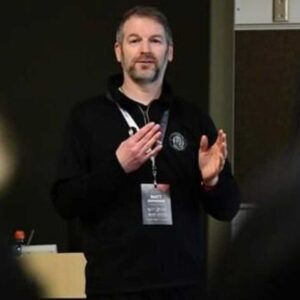
Conor McRitchie: “I’m hoping it leads to more kids thinking they can play football”
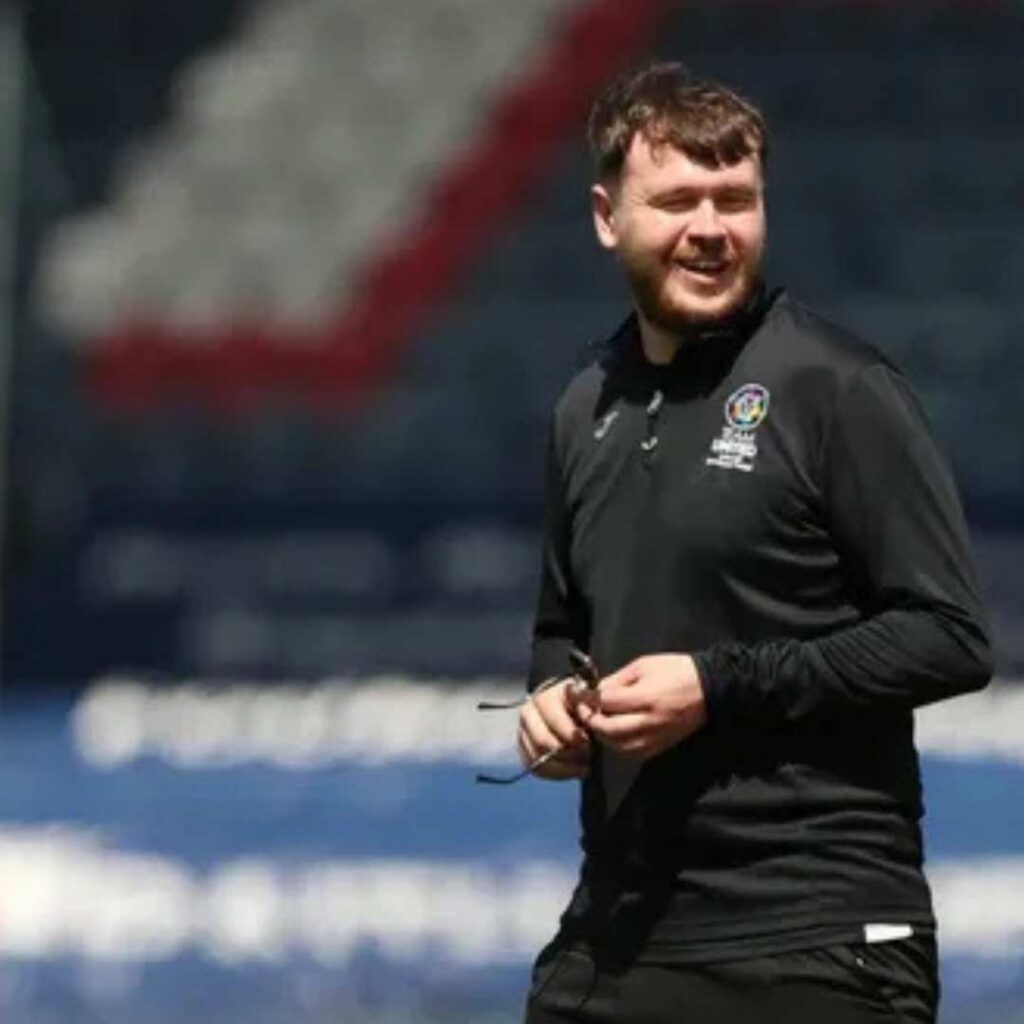
Back in November, a famous night in Hampden Park saw Scotland qualify for their first FIFA World Cup in 28 years.
With their Group C game against Denmark poised at 2-2 as it rolled past 90 minutes into stoppage time, Scotland scored two outstanding goals to finish top of their qualifying standings and stamp their ticket to North America.
Kieran Tierney’s curling effort put Scotland ahead for the third time in the game, then Kenny McLean scored from the halfway line after spotting the Danish goalkeeper off his line, clinching victory in spectacular fashion.
But while the national team makes generational headlines on the international scene, one organisation is creating life-changing opportunities for neurodiverse children at the grassroots level.
Team United began almost a decade ago, started by Ann Brown who has experience in both neurodiversity and football separately. She also has a child who is autistic, so this was a mission close to her heart.
Since being founded, the organisation has grown from one region to three – managed by a trio of regional coordinators who work with different grassroots clubs to provide weekly sessions for kids to play football, as well as social events and league competitions.
In an interview with Spautism, coordinator Conor McRitchie talked about his journey to Team United, and how his day-to-day role is positively impacting children up and down the country.
“In my region, I cover anywhere from Dundee down to Dunfermline,” he said. “Us coordinators take on all the admin in terms of getting news out there about the sessions, recruiting players and coaches, and we also work with facilities to put on the sessions.
“When I went into university, I did sports coaching. I had played and coached football for most of my life, so the sport has always been a big thing for me.
“I was looking around for different roles and saw a vacancy at Team United. I thought this would be really good, both in terms of football but also giving opportunities to a lot of kids who don’t get opportunities that are available to most others.
“For quite a lot of our kids, this is their only football. We’re managing to get more and more into mainstream football, which is great for us and great for them, but overall our kids don’t play mainstream, so this is a great outlet for them.”
Across the calendar year, there are lots of opportunities for Team United players to represent their team in competitive events, allowing them to play in professional stadiums and win trophies and medals.
“We stage regional leagues that are run over three days, and over the year, kids can take part in around three of these events.
“The kids will play anywhere between 12 and 15 games across those three days in seven-a-side format. Depending on where they finish in the league standings, then there’s the opportunity to take part in one of three finals days.
“We have our Nationals for teams that finished at the bottom of their tables, they came along and played six games on the day. Then we have our Premiership and Championship for the top and middle-ranked teams.
“Sometimes we stage the league events at professional football stadiums; in previous years we have used Falkirk. For a lot of our kids, playing in a stadium like this is the highlight of their footballing life.
“This May, we’re staging our Scottish Cup and Scottish Shield competitions, with the Cup for our Premiership and Championship teams, and the Shield for our National teams and any new teams that have come along in the year.”
Team United are always looking for more players to grow their teams, and to raise more awareness about the importance of inclusive opportunities.
“We have about 250 to 300 kids across our platform, and I’d say at least 200 of them have been told they can’t play mainstream football or haven’t even tried,” Conor continued. “It’s about giving all those kids the opportunity to play football.
“I speak to parents and players and I hear about situations where coaches in mainstream football just say, ‘Maybe it’s not time for them to play yet.’ Or they’ve been asked to not come back to a session due to certain behaviours.
“You can understand these coaches have other children to think about, but they’re shunning a 10-year-old boy or girl away from football because they like bouncing a ball while the coach is talking. In mainstream football it’s a no-go, but with us, it’s how the kids learn.
“They might be bouncing a ball, but they still know what they are doing, because that’s how they are effective in their listening.”
Changing the environment and not the person is a key pillar in Spautism’s messaging, and a mindset that Team United coaches take to their sessions to enable learning.
“One of the biggest things we look for from our coaching sessions is structure. A lot of our players like seeing the session outlined beforehand on a whiteboard, and they like the routine element. Whereas in mainstream, you can change sessions in the moment more easily.
“The outlined structure gives the kids an idea of what they are doing, and we give them images and pictures of what their session will look like, so that they know what to expect from the session.
“Another big thing is getting them engaged. You’ll see sometimes grassroots coaches trying to explain something for five minutes, whereas ours will get bored within a minute.
“You’re dealing with a group of children who all learn differently, and trying to adapt sessions for that isn’t always easy, but the training we provide coaches is helping. We show them the different things they might experience in a session and how they can react.”
The autism-friendly initiatives implemented by Team United don’t just start when a player arrives for a session, but as soon as an enquiry email is received by headquarters.
“After enquiring to join Team United, we send a Player Profile for parents/guardians to provide information about the child’s neurodiversity, what they know about it, what are triggers for them, ways that we can help them.
“We ask them about their likes and dislikes, so if someone is disengaged in a session, we can go over and have a chat about something they enjoy.
“After that, we invite them along to a come-and-try session, and they’ll usually get two or three. It’s not a trial, it’s an opportunity for them to come along and see if they like it and if they want to keep coming back.
“It’s not about how good they are, it’s about trying to get to know the coach, myself, and other players before they make a decision.”
And when it comes to making a decision about playing football or not, Conor hopes that Scotland’s presence at this summer’s FIFA World Cup inspires growth in participation across the country.
“The country is thrilled about it. It’s something that has happened once in my lifetime, I was two years old, so a couple of generations of Scottish football fans have never seen this before.
“I’m hoping it leads to more kids thinking they can play football; that they could be Scott McTominay scoring an overhead kick [Scotland’s opening goal against Denmark], or Kenny McLean scoring from the halfway line.
“Especially after that game, all the kids were talking about the goals and Scotland going to the World Cup.
“The kids are buzzing with it, and it feeds down to them because they think they can do it and play in a World Cup – and why not go and try.”